Water Leak Insurance Claims: What To Do
A hidden leak is stressful enough without a claim on top. This is what to do in the first hour, how trace and access cover works, and how our report fits into it.
How a leak claim usually runs
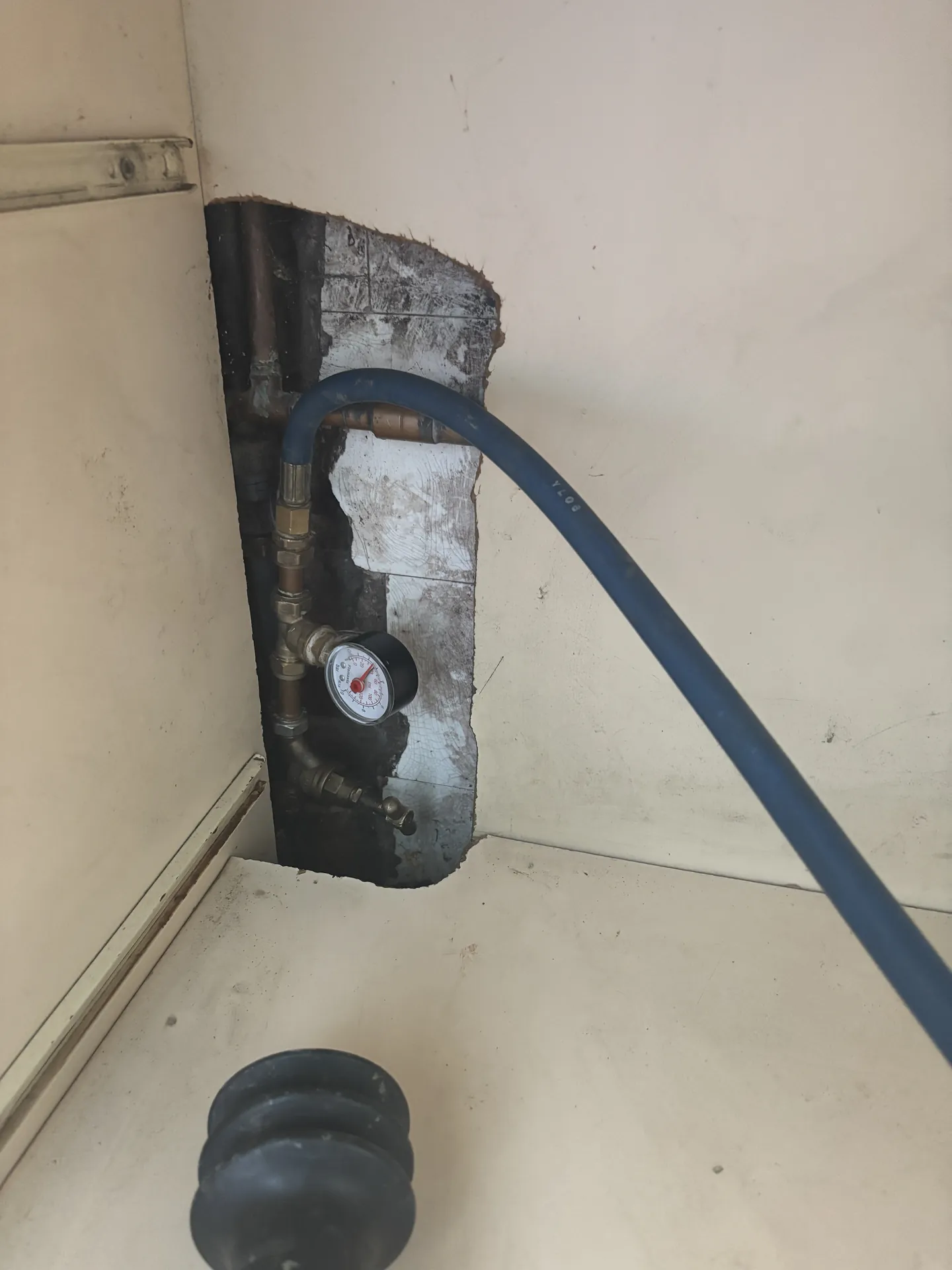
First, stop the water where you can. If the leak is on the mains or hot water, turn off the stop tap, usually under the kitchen sink or where the supply enters the house. If the boiler is losing pressure, turn the heating off and stop topping it up, because every refill is more water into your floor. Photograph everything you can see: the stain, the damp patch, the boiler gauge, the meter reading. Those photographs are the start of your evidence.
Then call your insurer or check the policy online. You are looking for two things: escape of water cover, which deals with the damage the leak has caused, and trace and access cover, which pays for finding the leak and making good the floor, wall or ceiling that had to be opened to reach it. Many buildings policies include both. Tell the insurer a leak is suspected and that you are arranging a specialist to locate it; most are happy for you to choose who, and a quick call avoids any argument later.
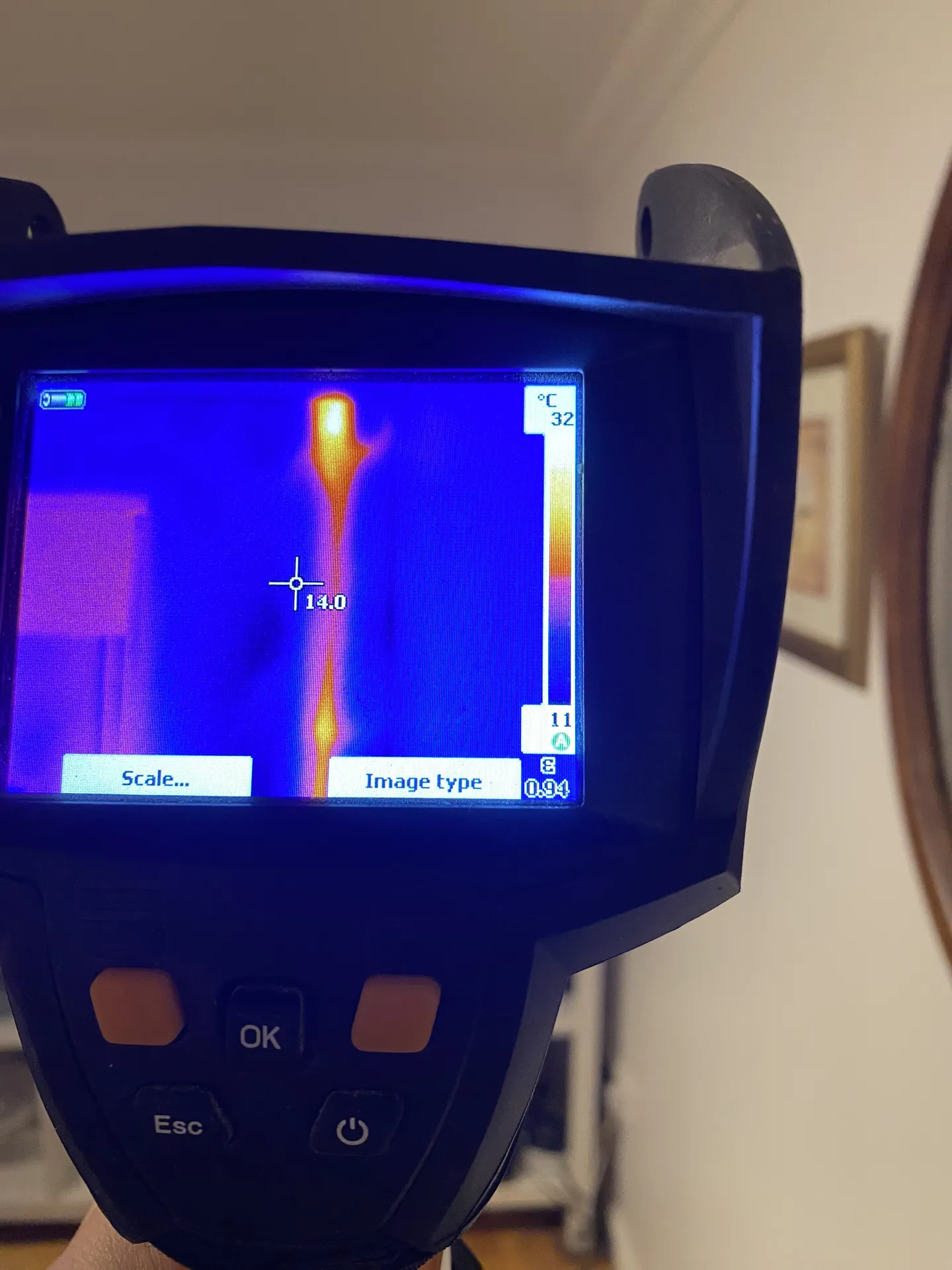
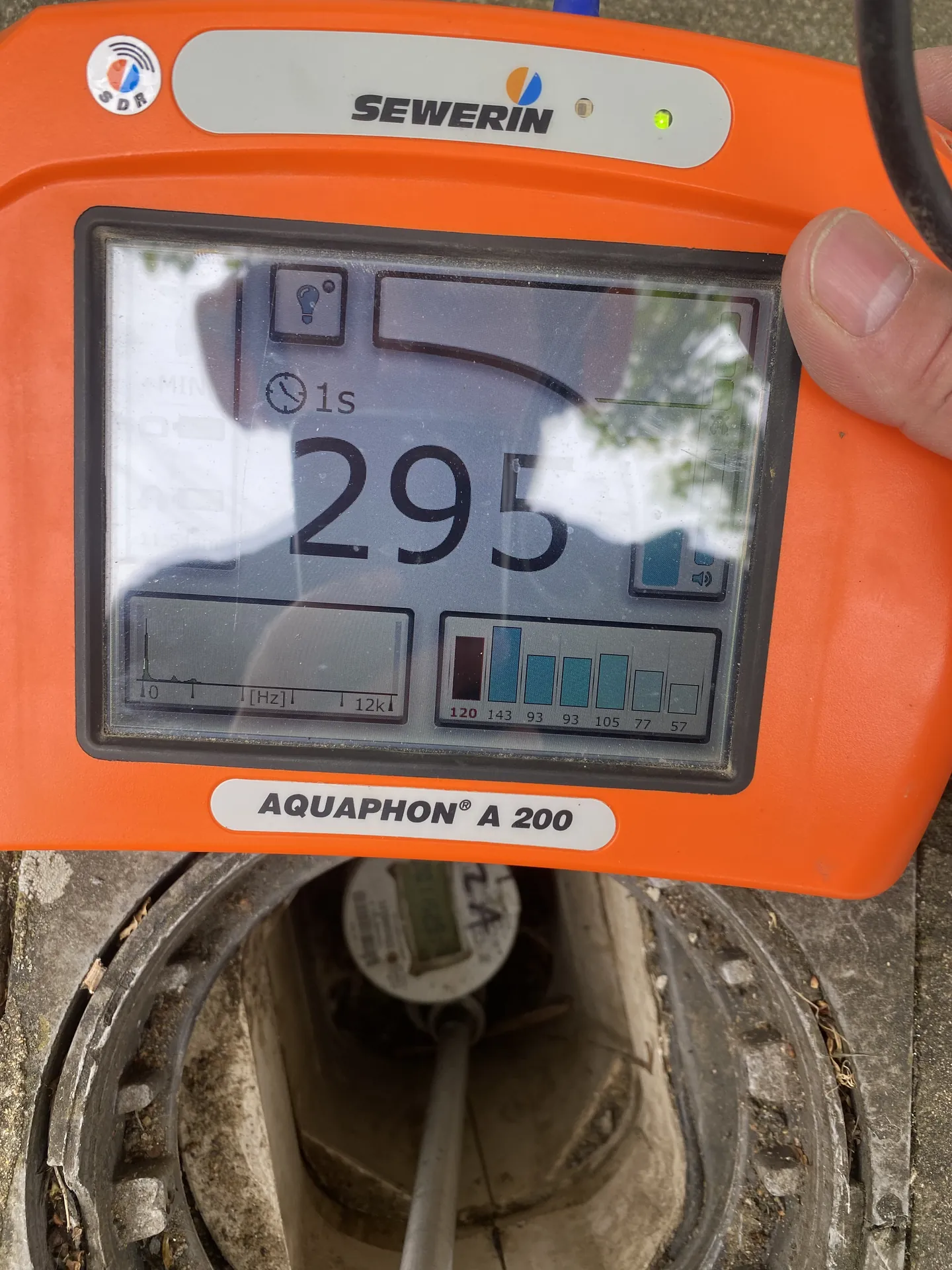
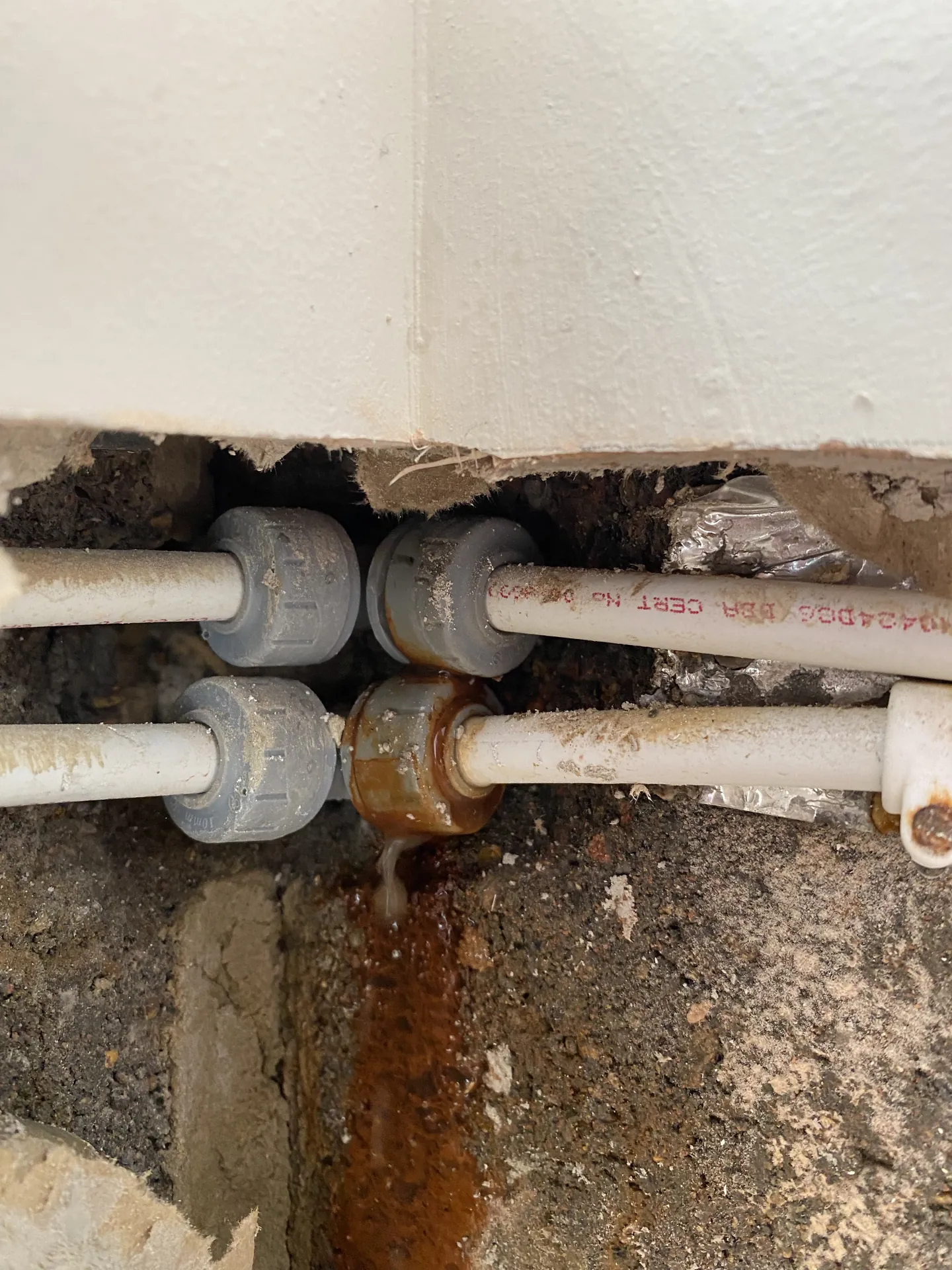
Our survey is designed around that claim. We find the leak with non-invasive methods, mark it, and write a report that sets out the symptoms, the systems tested, the methods used, the acoustic and tracer gas readings, the thermal images and photographs, and the leak position on a plan. If we carry out the repair, before and after photographs of the opening and the pipe are added. The report is sent as a PDF that goes straight to the claims handler.
Repair of the pipe and the water damage are normally handled under the escape of water section rather than trace and access, and your excess applies to the claim as a whole. Keep every invoice, including ours, and keep the damaged materials until the insurer or loss adjuster has seen them or told you they are not needed. If the adjuster wants to talk through how the leak was found, they can call us directly.
What the insurer sees
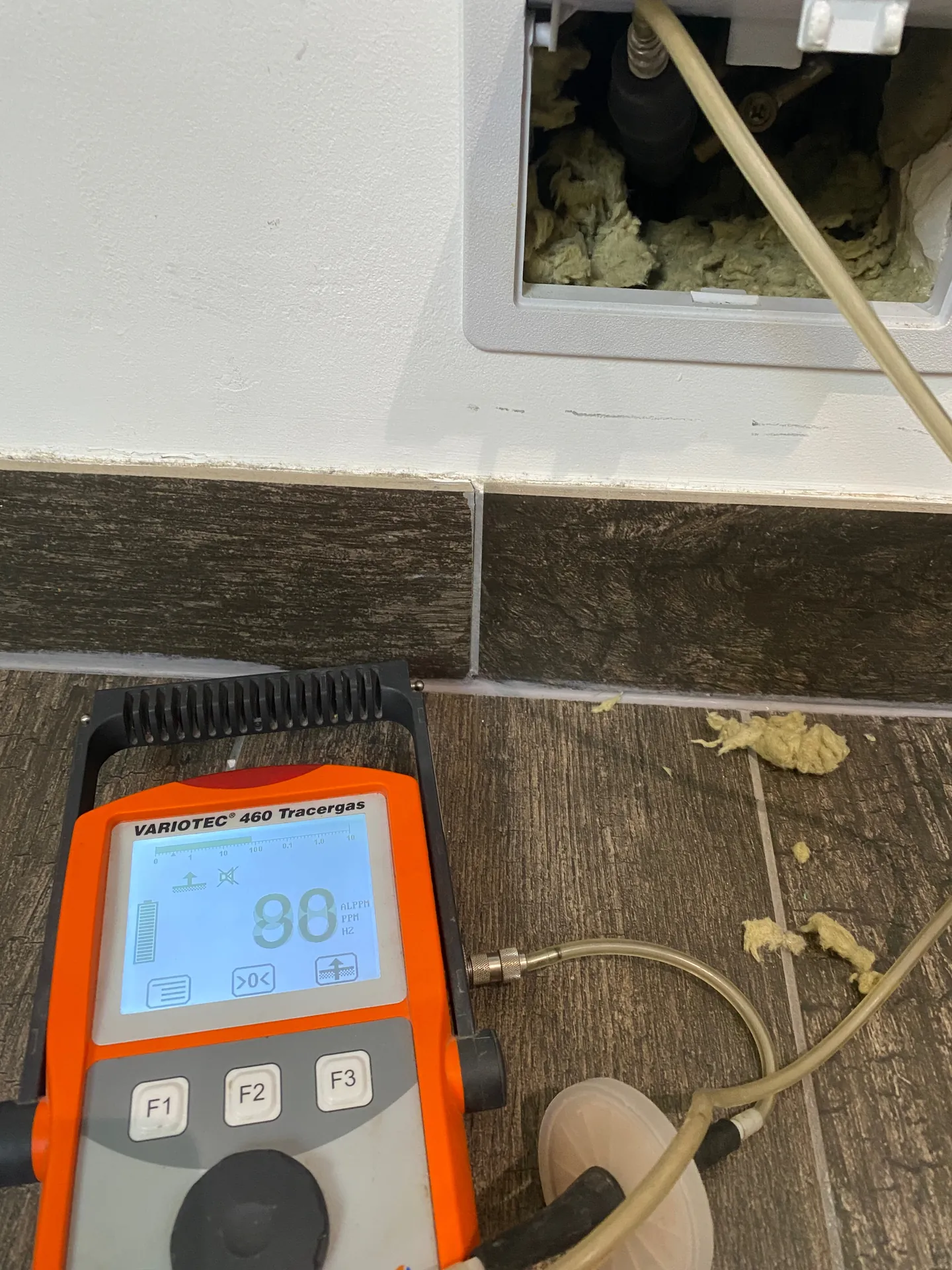
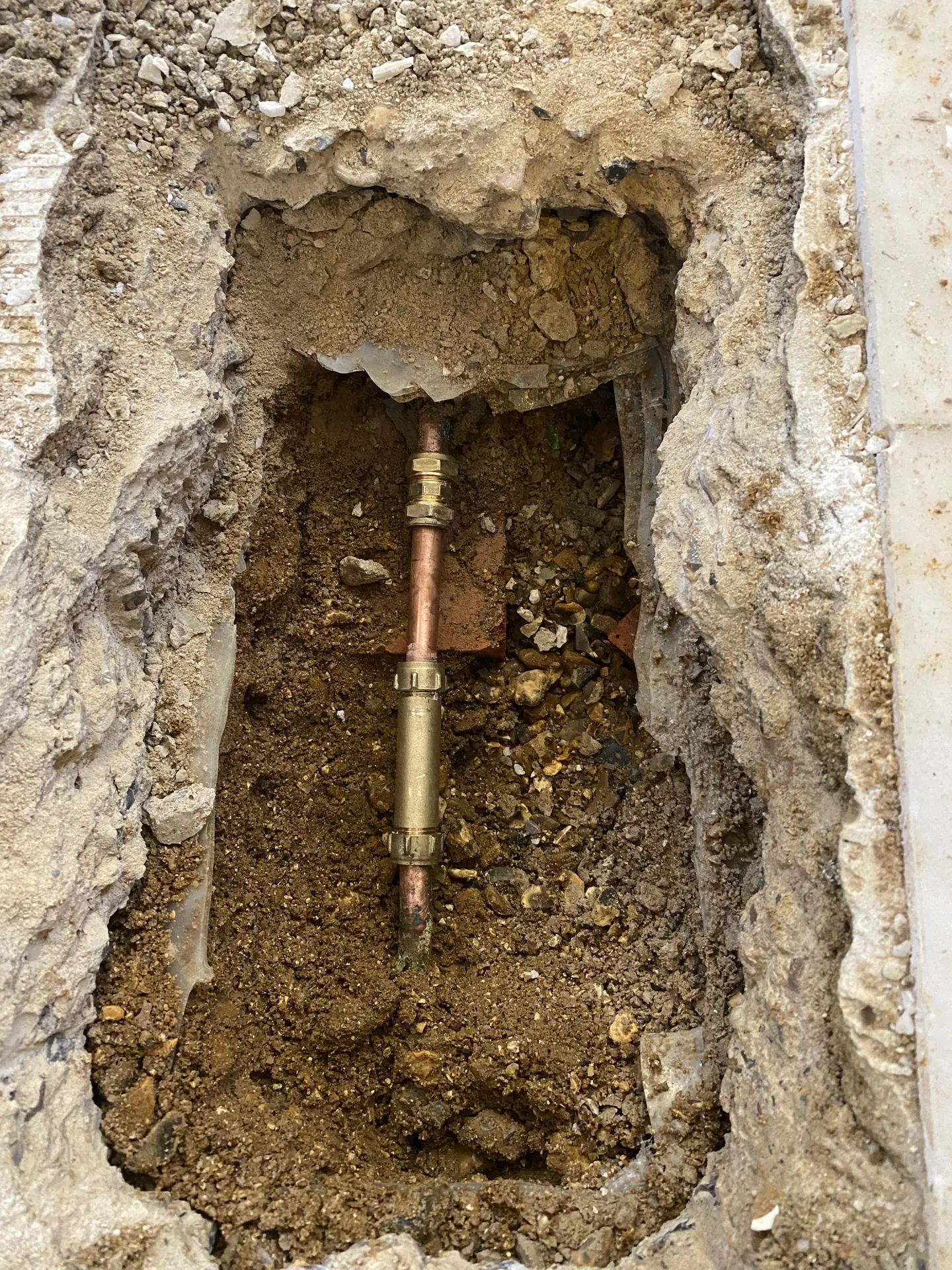
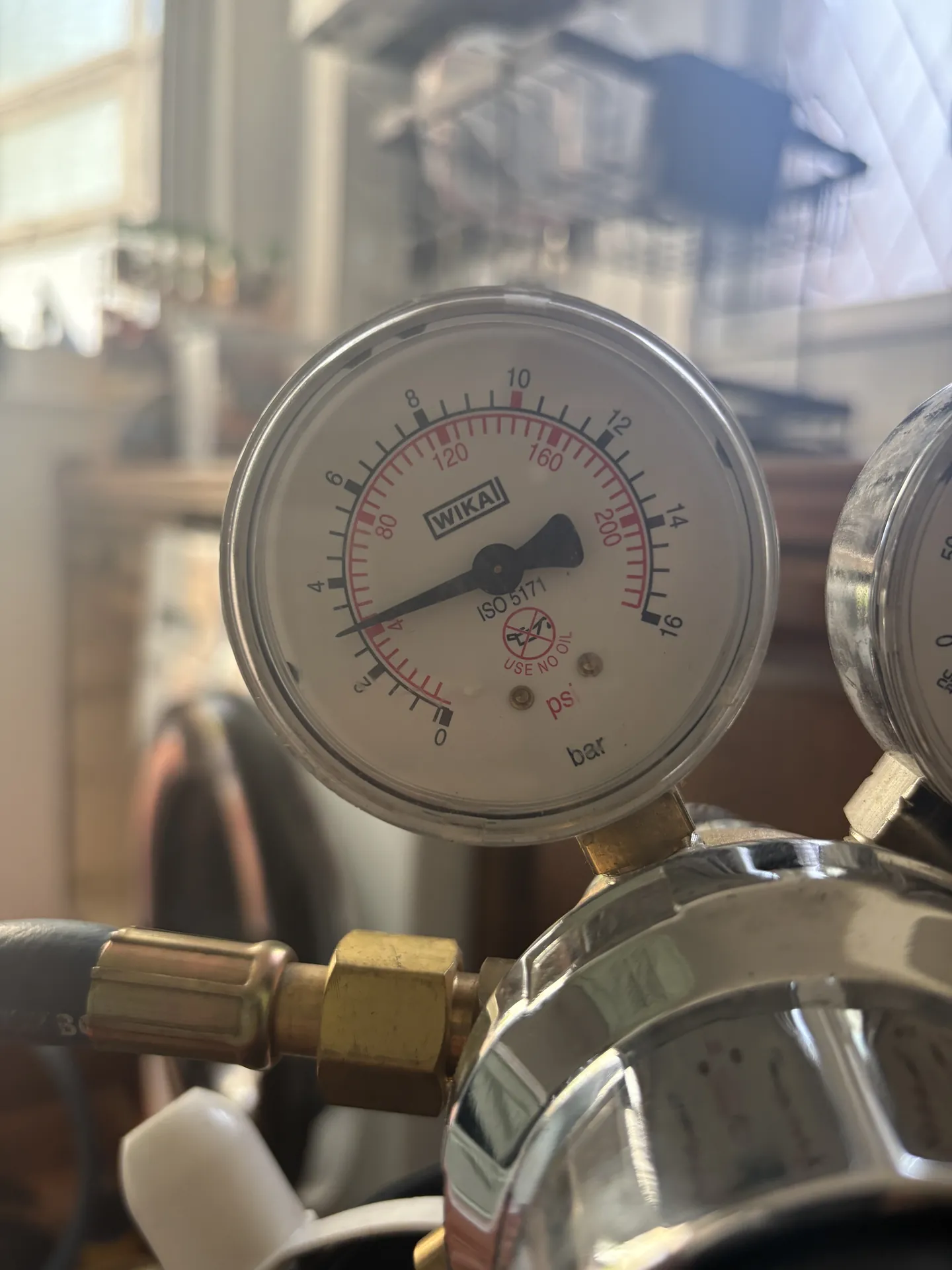
From your first call to a leak you can see in the report
Call or WhatsApp with a few photos and a line about the symptoms. We ask a handful of questions, agree a fixed price and book the survey, usually for the same or the next day.
On arrival we pressure test the mains, hot water and heating, check the meter and test the escaping water, so we know what we are looking for before the detection starts.
Thermal imaging, the acoustic ground microphone and tracer gas are used as the pipework dictates until the leak is marked on the floor or wall.
You get a written report with readings, thermal images and photographs, ready for a trace and access claim. If you want the leak fixed, we open that one spot and repair it.
Insurance claims: questions answered
Should I call my insurer before or after the leak is found?
Before, ideally. Let them know a leak is suspected and that you are arranging detection. Most insurers are happy for you to appoint a specialist yourself, and you avoid any later question about whether they should have been told first.
Is trace and access the same as escape of water cover?
No. Trace and access pays for locating the leak and making good the access opened to reach it. Escape of water deals with the damage the water has caused. Many buildings policies include both, each with its own conditions.
Will the insurer accept your report?
The report sets out the methods, readings, thermal images, photographs and the marked location, which is the evidence trace and access claims are assessed on. If a claims handler or loss adjuster has questions, they can call us and we will take them through it.
Does the insurer pay for the pipe repair?
The pipe repair itself is usually not covered by trace and access and is often excluded altogether as maintenance, though the damage caused by the water normally is. Check your policy wording; our report keeps the detection, the access and the repair separate so the claim is clear.
What if the leak has been going on for a long time?
Gradual leaks can be treated differently from sudden ones by some policies, so it is important to act quickly once a leak is suspected and to have the detection done and documented straight away. We cannot promise what an insurer will decide, but a prompt, well-evidenced report is the best position to be in.
Claim in progress? Get the report started today.
Tell us the insurer and the claim reference if you have one. We will book the survey and write the report in the format loss adjusters expect.
07516 755 680